+918048074110

DRAKSHAYCHAUGULE https://www.drakshaychaugule.com
Preview

This is your website preview.

Currently it only shows your basic business info. Start adding relevant business details such as description, images and products or services to gain your customers attention by using Boost 360 android app / iOS App / web portal.

919011375767

Services

Basal implant are a modern ,advanced solution in dental implantology. unlike conventional implants that rely on the soft bone (alveolar bone),basal implants anchor into the strong, basal (cortical) bone of the jaw key feature1) Immediate loading possible (teeth can fixed within 72 hours )2) suitable for patients with severe bone loss (no bone grafting required)3) minimally invasive and faster healing 4) long term stability due to strong anchorage in cortical boneAdvantages for patients1) No need for bone grafting or sinus lift2) short treatment time -teeth in day ,not months 3) cost -effective compared t0 traditional implants4) works well even in severe bone resorption cases

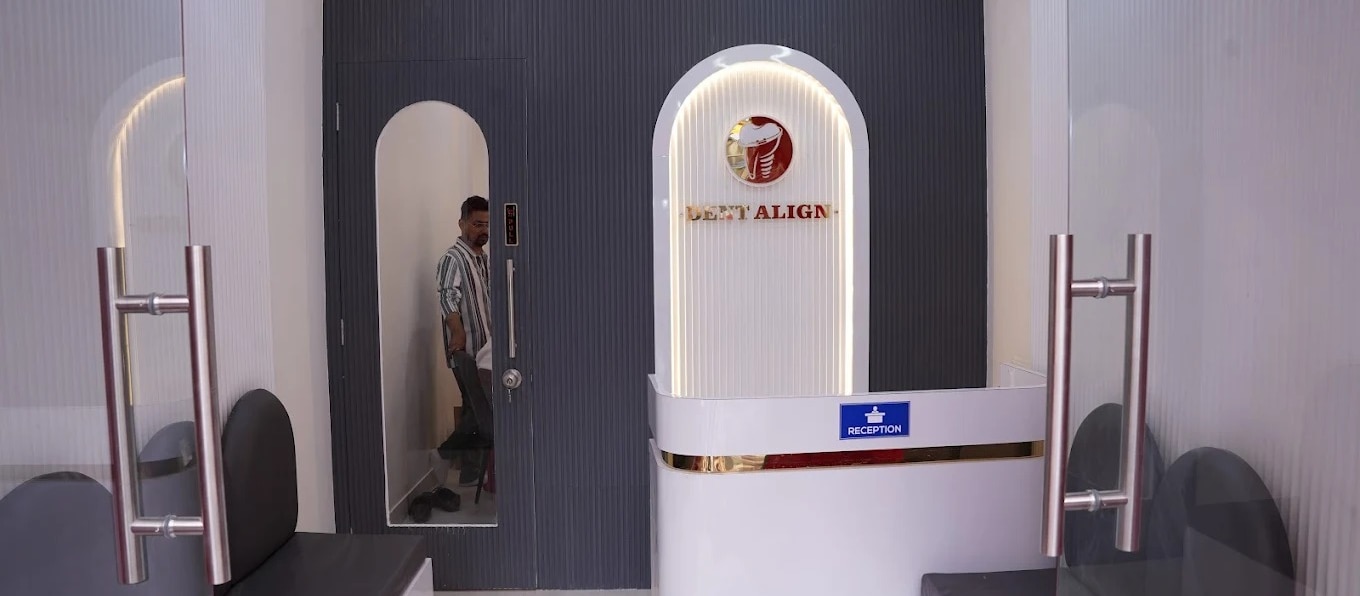
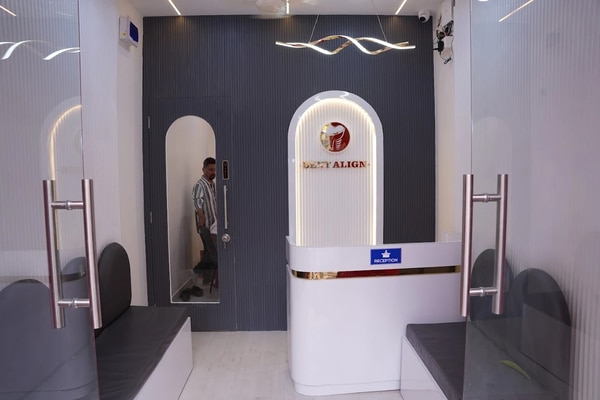
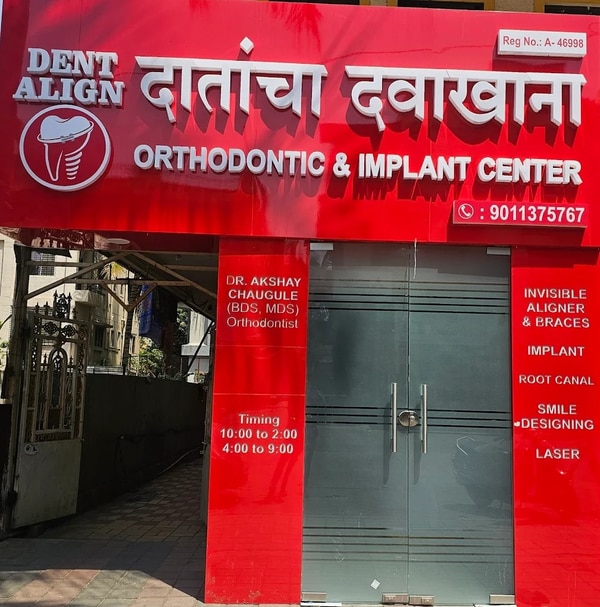
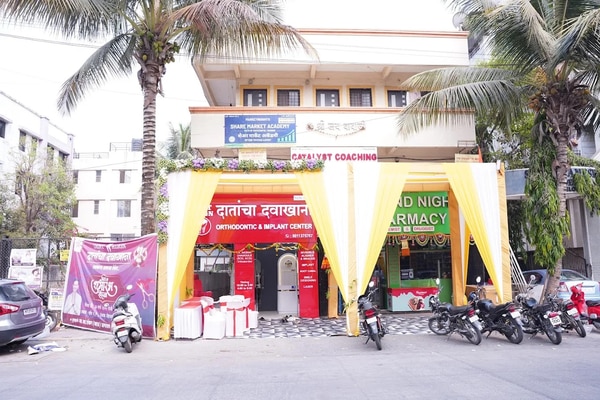
Dent Align Orthodontic and implant center ,opposite shell petrol pump ,beside punjab national bank near dianasor park pimple gurav

Dental Implants: A Tale of Two Approaches - Traditional vs. BasalFor individuals facing tooth loss, dental implants offer a permanent and aesthetically superior solution to restore both function and confidence. However, within the field of implantology, two primary methodologies exist: the time-honoured traditional implants and the innovative basal implants. The fundamental difference between them lies in the type of jawbone they anchor into, which dictates the entire treatment timeline, procedure, and ideal candidate profile.Traditional Dental ImplantsDescriptionTraditional dental implants, often considered the gold standard in tooth replacement, are a multi-stage system designed to mimic the natural root of a tooth. The process involves surgically placing a screw-like post, typically made of biocompatible titanium, into the maxilla (upper jaw) or mandible (lower jaw). These implants are placed in the softer, spongier part of the jawbone known as the cancellous or alveolar bone. The success of this method hinges on a biological process called osseointegration, where the bone cells grow around and fuse directly with the implant surface. This fusion creates an incredibly strong and stable foundation, but it requires a significant healing period of three to six months before the final tooth (crown) can be attached. In cases where the patient has insufficient jawbone volume, a preliminary bone grafting procedure is often necessary, further extending the treatment duration.Advantages of Traditional ImplantsHigh Success Rate: With decades of research and clinical use, traditional implants boast long-term success rates often exceeding 95%.Excellent Aesthetics: The planned, multi-stage process allows for meticulous placement, resulting in a highly natural and aesthetically pleasing outcome.Proven Durability: The strong bond of osseointegration provides a robust and stable foundation that can last a lifetime with proper care.Well-Researched: This method is supported by an extensive body of scientific literature, confirming its long-term safety and efficacy.Disadvantages of Traditional ImplantsLengthy Treatment Time: The entire process, from initial placement to final crown, can take several months to over a year.Requires Sufficient Bone: Patients with significant bone loss require bone grafting, which adds complexity, cost, and healing time to the procedure.Invasive Procedure: The surgery involves creating a flap in the gums to expose the bone, leading to a longer recovery period.Basal Dental ImplantsDescriptionBasal implants represent a more recent and revolutionary approach to implant dentistry, designed specifically for immediate results. Unlike traditional implants, basal implants are single-piece implants that are anchored into the deep, highly dense cortical bone, known as the basal bone. This type of bone is much more resistant to resorption (atrophy) and provides excellent stability from the moment of placement. Because they engage this strong foundational bone, basal implants do not need to wait for osseointegration in the same way traditional implants do. This allows for immediate loading, meaning a full set of prosthetic teeth (a bridge or denture) can be attached within 48-72 hours of the surgery. The procedure is also typically less invasive, often performed without creating a surgical flap in the gums.Advantages of Basal ImplantsImmediate Functionality: Patients can walk out with a full set of fixed teeth in just a few days, a significant advantage for those seeking rapid restoration.Solution for Bone Loss: It is an excellent option for patients with severe jawbone atrophy, as it bypasses the need for bone grafting procedures.Less Invasive Surgery: The “flapless” technique generally results in less post-operative pain, swelling, and a quicker recovery time.Potentially Lower Overall Cost: By avoiding expensive and time-consuming bone grafting, the total treatment cost can be lower for complex full-mouth cases.Disadvantages of Basal ImplantsTechnique-Sensitive: The success of basal implants is highly dependent on the specific skill, training, and experience of the implantologist.Limited Long-Term Data: Compared to traditional implants, there is less extensive long-term clinical data available.Aesthetic Challenges: Achieving the highest level of aesthetics can be more challenging due to the implant design and placement in the basal bone.Higher Risk in Unskilled Hands: If not performed by a specialist, the risk of complications or implant failure can be higher.Head-to-Head Comparison: Traditional vs. BasalFeatureTraditional ImplantsBasal ImplantsDescriptionMulti-piece system placed in soft alveolar bone, requires long healing for osseointegration.Single-piece system placed in hard basal bone for immediate stability.Bone EngagementCancellous (spongy) boneCortical (basal) boneTreatment Timeline3-12 months3-5 daysBone GraftingOften required in cases of bone lossGenerally not requiredLoading of ProsthesisDelayed loading after healingImmediate loadingInvasivenessMore invasive, requires surgical flapLess invasive, often flaplessSuccess RateHigh, well-documented long-term successVaries, depends heavily on practitioner skillExport to SheetsConclusion: Which Implant is Right for You?The choice between traditional and basal implants is a critical decision that should be made in consultation with a qualified dental professional.Choose Traditional Implants if: You have sufficient jawbone, are not in a major hurry for the final result, and prioritize the most well-documented, long-term solution with optimal aesthetics.Consider Basal Implants if: You have significant jawbone loss, wish to avoid bone grafting, and desire an immediate restoration of your teeth and chewing function.

Dent Align Orthodontic and implant center ,opposite shell petrol pump ,beside punjab national bank near dianasor park pimple gurav

A Tale of Two Smiles: Braces and Invisible Aligners ExplainedFor those seeking a straighter, healthier smile, the two most common orthodontic treatments are traditional braces and modern invisible aligners. While both aim to achieve the same goal—properly aligned teeth—they differ significantly in their appearance, application, and patient experience.Traditional Braces: The Tried-and-True MethodTraditional braces are a time-tested orthodontic solution known for their effectiveness in correcting a wide range of dental misalignments, from simple crowding to complex bite issues. They consist of several key components that work in concert to gradually shift teeth into their desired positions.At the heart of the system are brackets, which are small squares made of medical-grade stainless steel or a more discreet ceramic material. These are bonded directly to the front surface of each tooth. A thin, metal archwire is then threaded through these brackets. It is this wire that applies the gentle, continuous pressure needed to guide the teeth. Tiny elastic bands, known as ligatures or “o-rings,” hold the archwire to the brackets. Patients can often personalize their look by choosing different colored ligatures.The treatment process with braces typically involves an initial consultation and placement appointment, followed by regular adjustment appointments every four to eight weeks. During these adjustments, the orthodontist will tighten or change the archwire to continue the tooth movement. The total treatment time can range from one to three years, depending on the complexity of the case. After the braces are removed, a retainer is worn to maintain the new tooth positions.There are several types of braces available:Metal Braces: The most common and recognizable type, known for their durability and effectiveness.Ceramic Braces: These function similarly to metal braces, but the brackets are made of a clear or tooth-colored ceramic material, making them less noticeable.Lingual Braces: For those seeking a truly invisible option, lingual braces have brackets that are custom-made and bonded to the back of the teeth, hidden from view.Self-Ligating Braces: This type of brace uses a specialized clip mechanism within the bracket to hold the archwire, eliminating the need for elastic ligatures. This can sometimes lead to quicker adjustment appointments.Invisible Aligners: The Clear AlternativeInvisible aligners have revolutionized the field of orthodontics by offering a discreet and removable alternative to fixed braces. Popularized by brands like Invisalign, these custom-made, clear plastic trays fit snugly over the teeth and are virtually invisible when worn.The treatment journey with invisible aligners begins with a 3D digital scan of the patient's teeth. This scan is used to create a precise, computerized treatment plan that maps out the gradual movement of the teeth from their current position to the final desired alignment. Based on this plan, a series of custom aligners is fabricated.Each set of aligners is typically worn for one to two weeks for at least 20-22 hours a day, only being removed for eating, drinking, brushing, and flossing. Each new set of aligners in the series is slightly different from the previous one, applying gentle pressure to specific teeth to continue the straightening process. The total treatment time is often comparable to that of traditional braces, though it can be faster for less complex cases.Invisible aligners are most effective for treating mild to moderate orthodontic issues, such as crowded teeth, gapped teeth, and some bite problems. For more severe or complex cases, traditional braces may be the more appropriate and effective solution.Key Differences at a Glance:Feature Traditional Braces Invisible AlignersAppearance Visible brackets and wires (metal or ceramic) Virtually invisible, clear plastic traysRemovability Fixed to the teeth for the duration of treatment Removable for eating, drinking, and oral hygieneComfort Can cause some initial discomfort and irritation to the cheeks and lips Generally considered more comfortable, with smooth edgesOral Hygiene Can be more challenging to clean around brackets and wires Easy to maintain normal brushing and flossing routinesDietary Restrictions Sticky, hard, and chewy foods should be avoided to prevent damage No dietary restrictions as aligners are removed for mealsEffectiveness Highly effective for a wide range of orthodontic issues, including complex cases Most effective for mild to moderate alignme

Dent Align Orthodontic and implant center ,opposite shell petrol pump ,beside punjab national bank near dianasor park pimple gurav

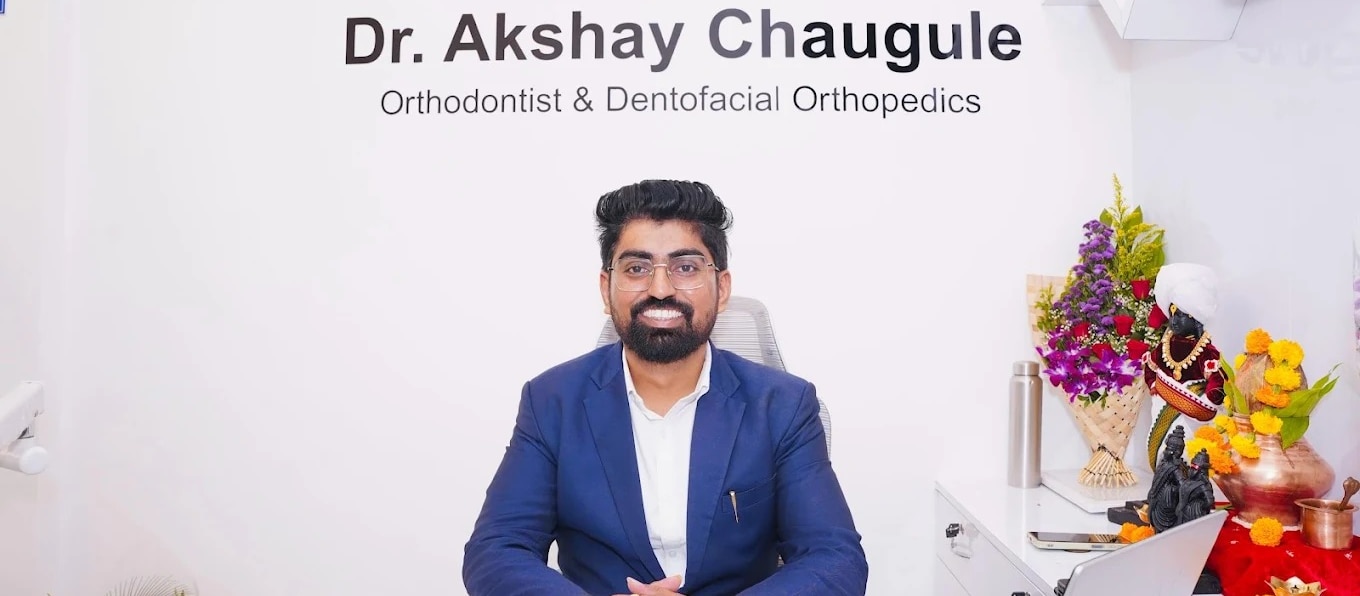
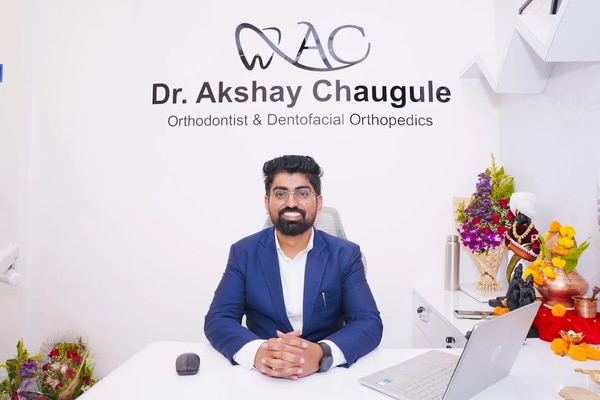
Meet Our Doctor

Dr Akshay Chaugule

Dr Akshay Chaugule

Braces and invisible Aligners Root canal treatment (Single sitting) Implants ( Traditional / Basal) Crown and bridge ( metal/ceramic/CAD CAM /zirconia) Fixed or removable Dentures Extraction Periodontal surgery Pediatric procedures Smile designing

Phone +91- 9011375767

Dent Align Orthodontic and implant center ,opposite shell petrol pump ,beside punjab national bank near dianasor park pimple gurav

Latest Update

Surgical Extraction in Pimple Gurav – Safe Removal When a Tooth Cannot Be Saved

It's Done!!

Your appointment is confirmed

Doctor Name:

Date & Time:

Contact:

Address: Dent Align Orthodontic and implant center ,opposite shell petrol pump ,beside punjab national bank near dianasor park pimple gurav

Appointment details has also been shared with you on your mobile number . Please arrive atleast ten minnutes ahead of the scheduled time.

services